Overcoming the Operational Hurdles of Free-Roaming Fleets

However, running a successful free-float shared vehicle service is an operational tightrope. Balancing vehicle distribution, managing battery charging logistics, keeping maintenance costs low, and dealing with city parking regulations can quickly drain an operator's margins.
To build a profitable service, you don't just need a fleet of vehicles - you need a battle-tested white-label mobility software that handles the heavy lifting behind the scenes. That is exactly where the HoppyGo Mobility Platform comes in.
Here is how solves the biggest operational hurdles of free-floating mobility:
1. The Fleet Imbalance Headache vs. Smart "Bonus Zones"
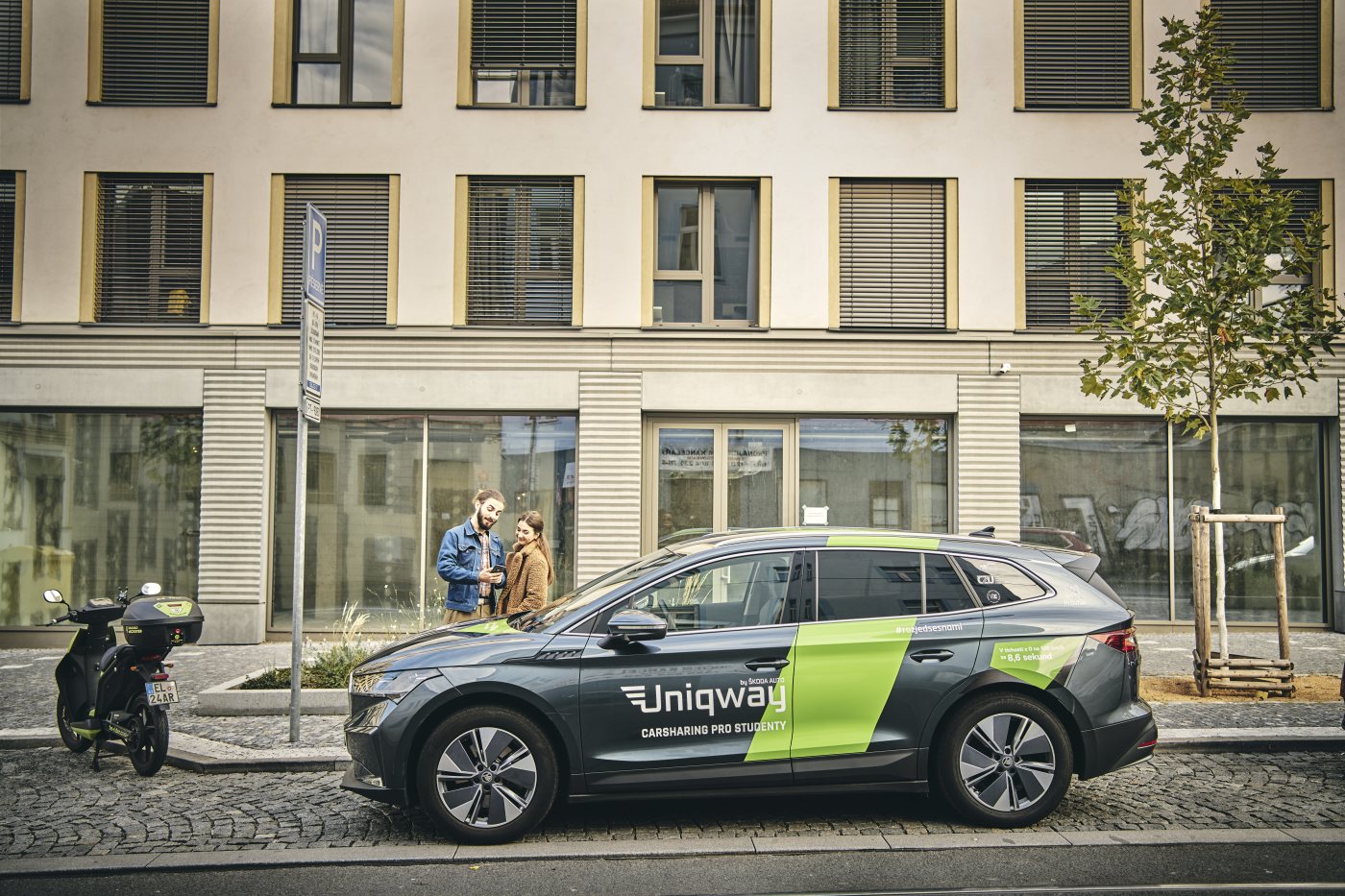
In a free-floating shared vehicle model, users naturally drift vehicles toward high-traffic hubs during rush hour, leaving outer areas empty. Manually moving these vehicles via vans is incredibly expensive.
- The HoppyGo Mobility Platform Solution: Our platform allows operators to create customizable Bonus Zones, Penalty Zones, and Bonus Vehicles right on the map.
- How it works: You can automatically incentivize user behavior by offering discounted rates for parking in high-demand zones or charging a premium for leaving vehicles in peripheral penalty zones. By turning fleet rebalancing into a gamified user experience, you drastically slash your operational ground costs.
2. The Profitability Trap vs. Automated Dynamic Pricing
Fixed-rate pricing models kill profitability during low-demand hours and miss out on revenue during peak transit times.
- The HoppyGo Mobility Platform Solution: Built-in dynamic pricing software enables real-time algorithm adjustments based on active market demand - all managed automatically through the platform.
- The Proof: During its operations, BeRider utilized this feature to lower prices during slow hours to boost utilization, while raising them during peak periods, projecting a 12% increase in yearly earnings without requiring manual IT intervention.

3. Idle Vehicle Losses vs. Optimized Reservation Fees
One of the biggest leaks in micro-mobility revenue is the "ghost reservation" - users booking a vehicle and changing their mind, leaving it locked and unavailable to paying customers.
- The HoppyGo Mobility Platform Solution: The platform features a highly optimized reservation fee system. Operators can offer a short window of free reservation time (e.g., 10 minutes), after which a small per-minute fee incurs. This ensures vehicles are only blocked by users who truly intent to ride, drastically improving overall fleet utilization.
A Seamless, White-Label User Experience
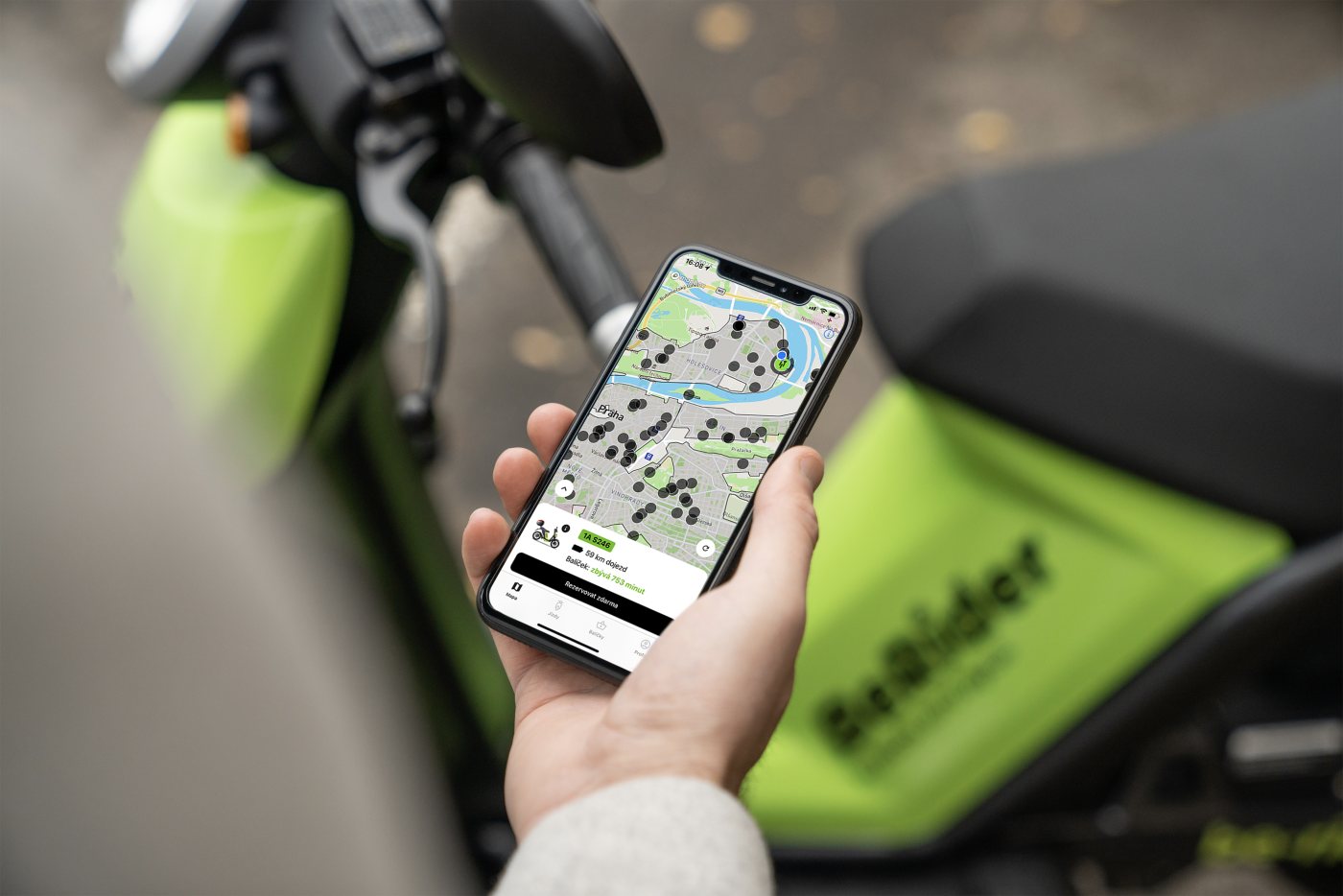
Beyond the advanced backend management tools, your customers demand a flawless front-end experience. The HoppyGo Mobility Platform delivers a fully customizable, white-label mobile app and web interface tailored entirely to your brand identity.
Through a single app interface, your users gain access to:
- Instant, automated driver identity verification and account registration.
- Real-time vehicle tracking, GPS positioning, range estimation, and instant digital unlocking.
- Prepaid credit packages and integrated secure payment gateways.
- In-app damage reporting and responsive customer support tracking.
Scalability is in our DNA: The architecture behind our software isn’t a prototype. It is backed by over 8 years of automotive-grade development within the Škoda Auto ecosystem, currently supporting over 800,000 satisfied customers and 4.8 million transactions worldwide.
Ready to Launch or Scale Your Mobility Business?
Whether you are launching a brand-new scooter-sharing startup, scaling a free-floating carsharing fleet, or building a multimodal smart city app, you don't need to reinvent the wheel.
The HoppyGo Mobility Platform offers the ultimate plug-and-play flexibility. Choose a flexible monthly SaaS subscription to hit the ground running, or execute a one-time source code buyout for ultimate long-term technical ownership. Plus, our specialized team provides custom development, marketing support, and regulatory guidance every step of the way.
Stop worrying about the code. Start focusing on your fleet.